
Man Overboard Safety: Critical Steps to Save a Life at Sea
Learn essential protocols and lifesaving techniques for managing a man overboard emergency and increasing survival chances.
Every boater's worst nightmare is someone falling overboard—a split-second emergency that demands immediate, precise action. Understanding man overboard (MOB) protocols can mean the difference between life and death on the water.
Understanding the Critical First Moments
When someone falls off a vessel, the first 10 minutes are absolutely crucial. Survival rates drop dramatically with each passing minute, making swift, coordinated response essential. Key factors that impact survival include:
- Water temperature
- Victim's physical condition
- Immediate rescue efforts
- Availability of proper safety equipment
Prevention: Your First Line of Defense
Preventing a man overboard situation is always preferable to managing a rescue. Implement these critical safety strategies:
Safety Equipment and Preparation
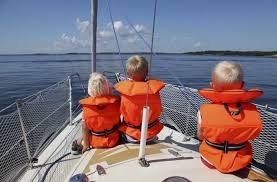
- Ensure all passengers wear properly fitted life jackets
- Install reliable safety harnesses during rough conditions
- Maintain clear, unobstructed deck areas
- Establish and communicate boat safety protocols
Immediate Rescue Procedures
When a man overboard incident occurs, follow these critical steps:
- Immediately shout "Man Overboard!" to alert all crew members
- Designate someone to keep visual contact with the victim
- Throw flotation devices immediately
- Carefully maneuver the boat to approach the victim from downwind
- Use VesselVault's maintenance logs to ensure your rescue equipment is current and functional
Rescue Techniques
Different scenarios require different approaches:
- Calm waters: Use a rescue sling or ladder
- Rough conditions: Consider specialized marine rescue techniques
- Limited crew: Practice single-person rescue methods
Technology and Equipment That Saves Lives
Modern marine technology offers remarkable man overboard prevention and rescue tools:
- GPS-enabled personal locator beacons
- Automatic identification system (AIS) MOB devices
- Electronic tracking systems
- Thermal imaging cameras
Training and Preparedness
Regular training dramatically improves rescue outcomes. Recommended preparation includes:
- Certified marine safety courses
- Regular crew drills and simulations
- Understanding local marine rescue protocols
- Maintaining comprehensive boat maintenance records with VesselVault to track safety equipment status
Post-Incident Considerations
After a man overboard incident, crucial follow-up steps include:
- Medical evaluation for the victim
- Detailed incident documentation
- Equipment and procedure review
- Psychological support for crew members
Conclusion: Stay Prepared, Stay Safe
Man overboard situations are preventable with proper preparation, equipment, and training. By understanding risks, maintaining your vessel, and staying vigilant, you can significantly reduce the likelihood of a maritime emergency.
Remember: Your preparedness can save a life.